Version from West Java, Indonesia
Kue gapit — West Java, Indonesia
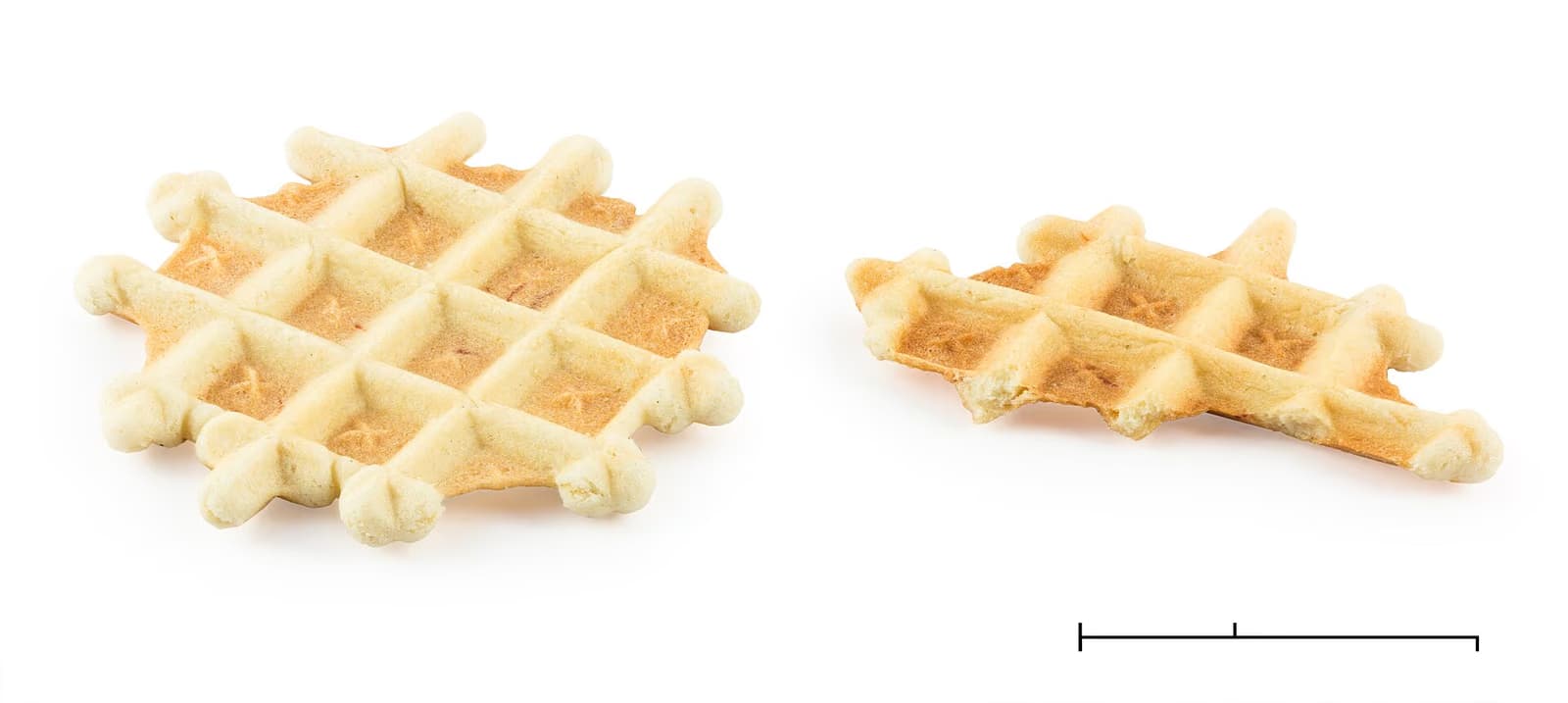
A thin, crisp tapioca wafer from Cirebon in West Java, pressed and grilled between patterned iron molds like a waffle.
- 15 min
- Prep
- 30 min
- Cook
- 8
- Servings
- Medium
- Difficulty
Kue gapit is a thin, crisp wafer made mostly from tapioca flour, grilled between two hinged iron molds over direct heat until it cooks into a flat, patterned disc, in the same way a waffle iron shapes batter. It belongs to Indonesia's kue kering category, dry snacks meant to keep for weeks rather than be eaten fresh, distinguishing it from the many steamed or fried kue eaten the same day they are made.
The snack is reported from Cirebon, on the north coast of West Java, where it developed as a local specialty tied closely enough to the city that visitors commonly buy it as a souvenir to bring home. Despite that reputation among outsiders, it is not a snack that residents of Cirebon reach for often in daily life, a gap between its outward identity and everyday local consumption.
To prepare it, a batter of tapioca flour, water, a little coconut milk and seasoning is poured onto one half of a heated iron mold engraved with a pattern, the mold is closed, and the batter is pressed thin and cooked directly over a charcoal or gas flame until dry and crisp. The molds come in various shapes, and the wafer is removed once its edges turn golden and it lifts cleanly away.
What distinguishes kue gapit within the wider family of grilled tapioca and rice wafers found across Indonesia is its shaping method — pressed and grilled between iron molds rather than fried in oil or baked in an oven — which gives the wafer its characteristic thinness, crunch, and printed surface pattern.
Preparation
Mix the tapioca flour with water and coconut milk into a smooth, pourable batter.
Season the batter with salt, sugar and ground coriander.
Heat the iron molds over direct flame until very hot.
Pour a thin layer of batter onto one side of the mold and close it firmly.
Grill over the flame, turning occasionally, until the wafer is dry and golden.
Open the mold and lift out the wafer once its edges release cleanly.
Let the wafers cool completely so they crisp up before storing.