Menu
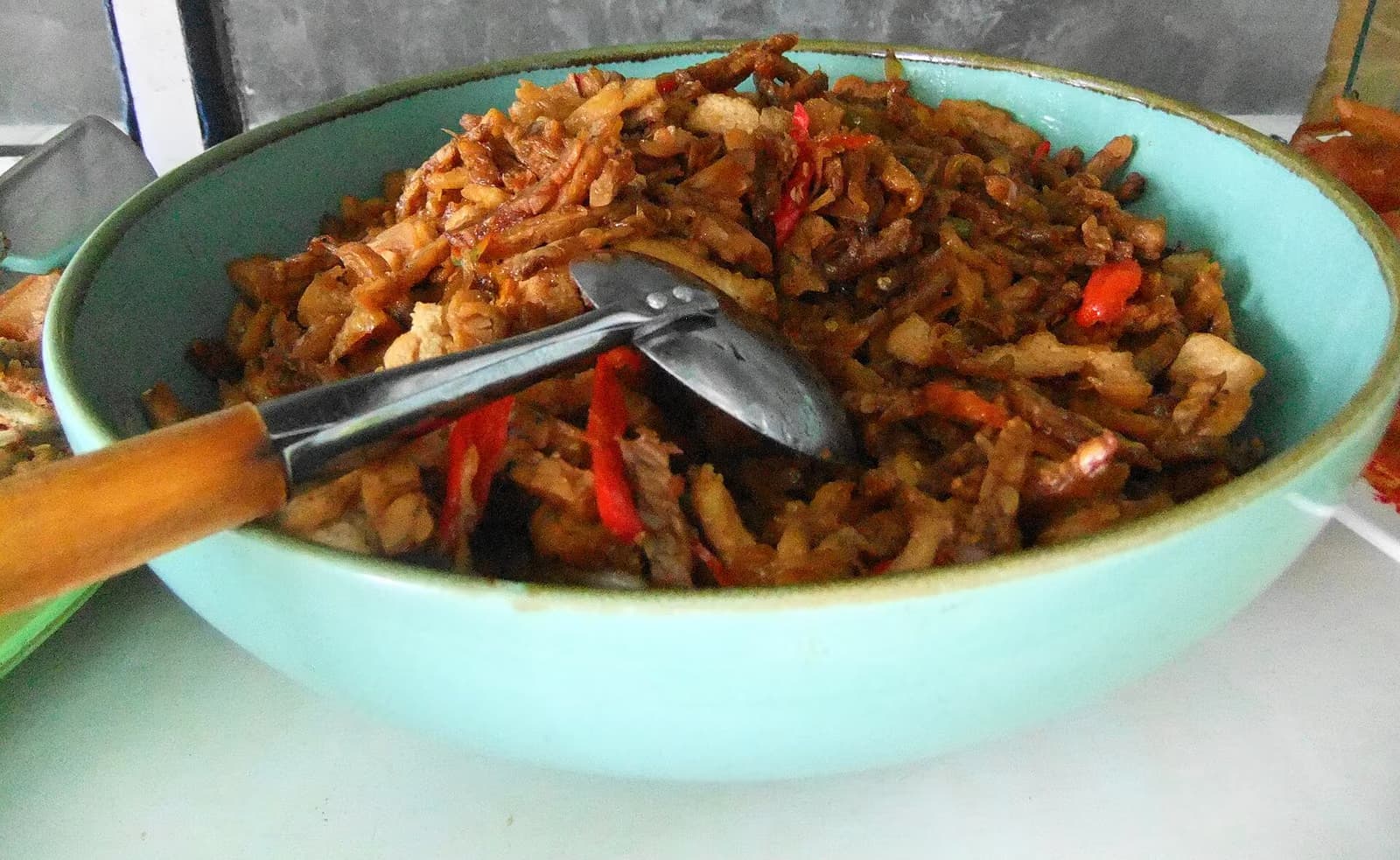
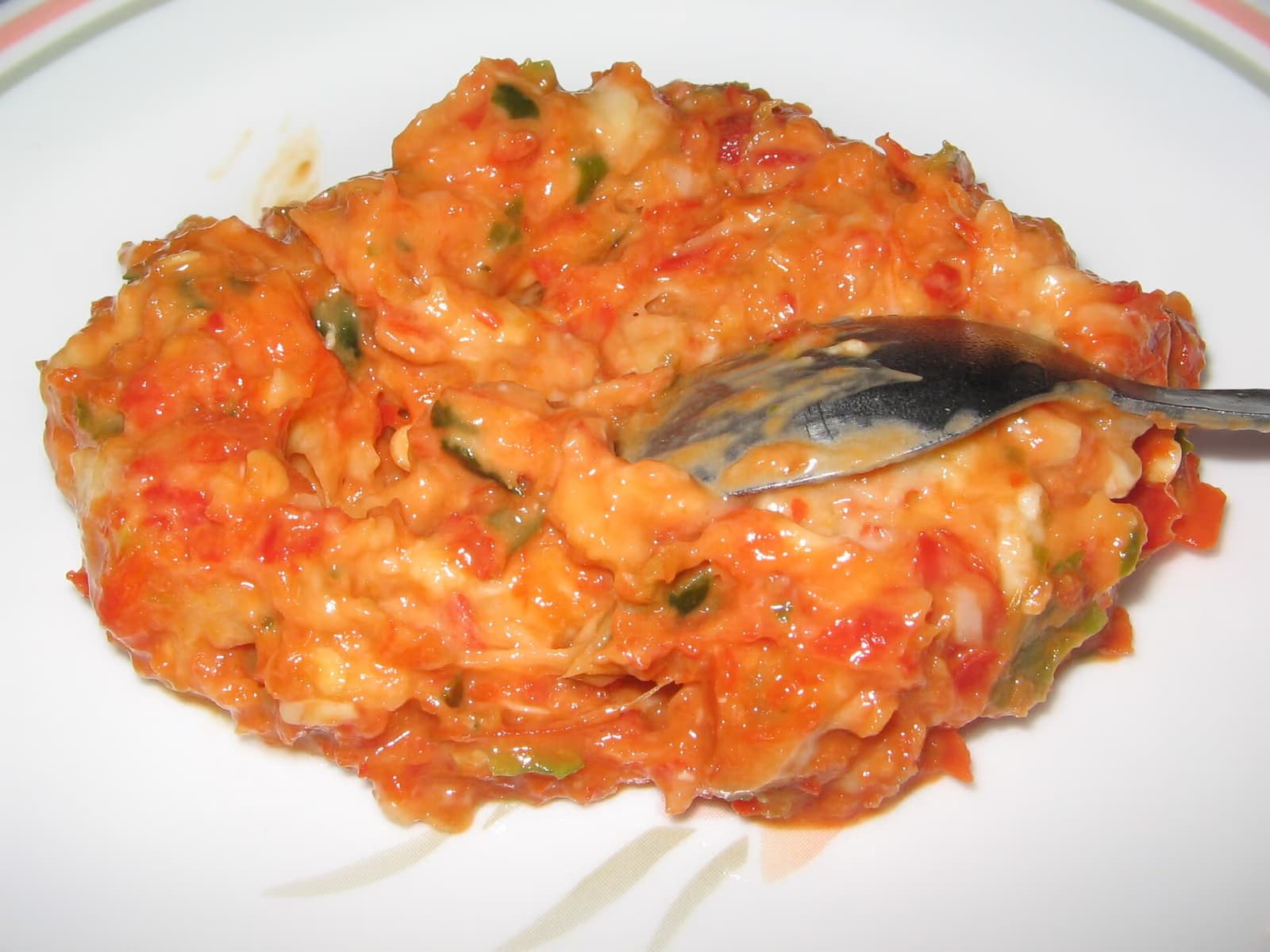
Tempoyak — South Sumatra, Indonesia
Photo: Yosri at ms.wikipedia — GFDL

Version from South Sumatra, Indonesia

Tempoyak — South Sumatra, Indonesia

Tempoyak is a fermented durian paste from South Sumatra, salted and left to sour for several days before being cooked into a sambal or fish curry.

30 min
Prep
15 min
Cook
4
Servings
Medium
Difficulty
Tempoyak is a Malay condiment made from fermented durian flesh. It is eaten by Malay communities across maritime Southeast Asia, most notably in Indonesia and Malaysia, and it functions as a flavoring rather than as a standalone dish. This entry reports the version cooked in South Sumatra, Indonesia, where tempoyak is made during the durian season. When the fruit is abundant, households turn the surplus into a fermented paste that keeps far longer than fresh durian. The durian flesh is crushed and mixed with salt, then packed into a clean container and left at room temperature for three to seven days until it turns pleasantly sour. Once fermented, the paste is folded into dishes such as a coconut milk fish curry, gulai tempoyak ikan patin, or worked into a pounded chili paste to make sambal tempoyak, simmered briefly with shallot, garlic and lime. What sets this preparation apart is the sourness and depth that fermentation gives the durian, a flavor not found in sambals built on fresh fruit. Served with steamed rice and grilled or fried fish, it keeps well thanks to the fermentation that produced it in the first place.

Preparation

  1. Scoop the durian flesh away from the seeds and mash it lightly with a fork.

  2. Mix the durian pulp with the salt, pack it into a clean jar and press out any air pockets.

  3. Cover the jar loosely and leave it at room temperature for three to seven days until the pulp turns sour.

  4. Pound the shallots, garlic and chilies into a coarse paste.

  5. Fry the paste in a little oil until fragrant, then stir in the fermented durian.

  6. Simmer gently for a few minutes, season with sugar and lime juice, and remove from the heat.

  7. Serve as a sambal alongside steamed rice and grilled or fried fish.
More recipes from Indonesia

All recipes from Indonesia