Version from Sakata, Japan
Sakata ramen — Sakata, Japan
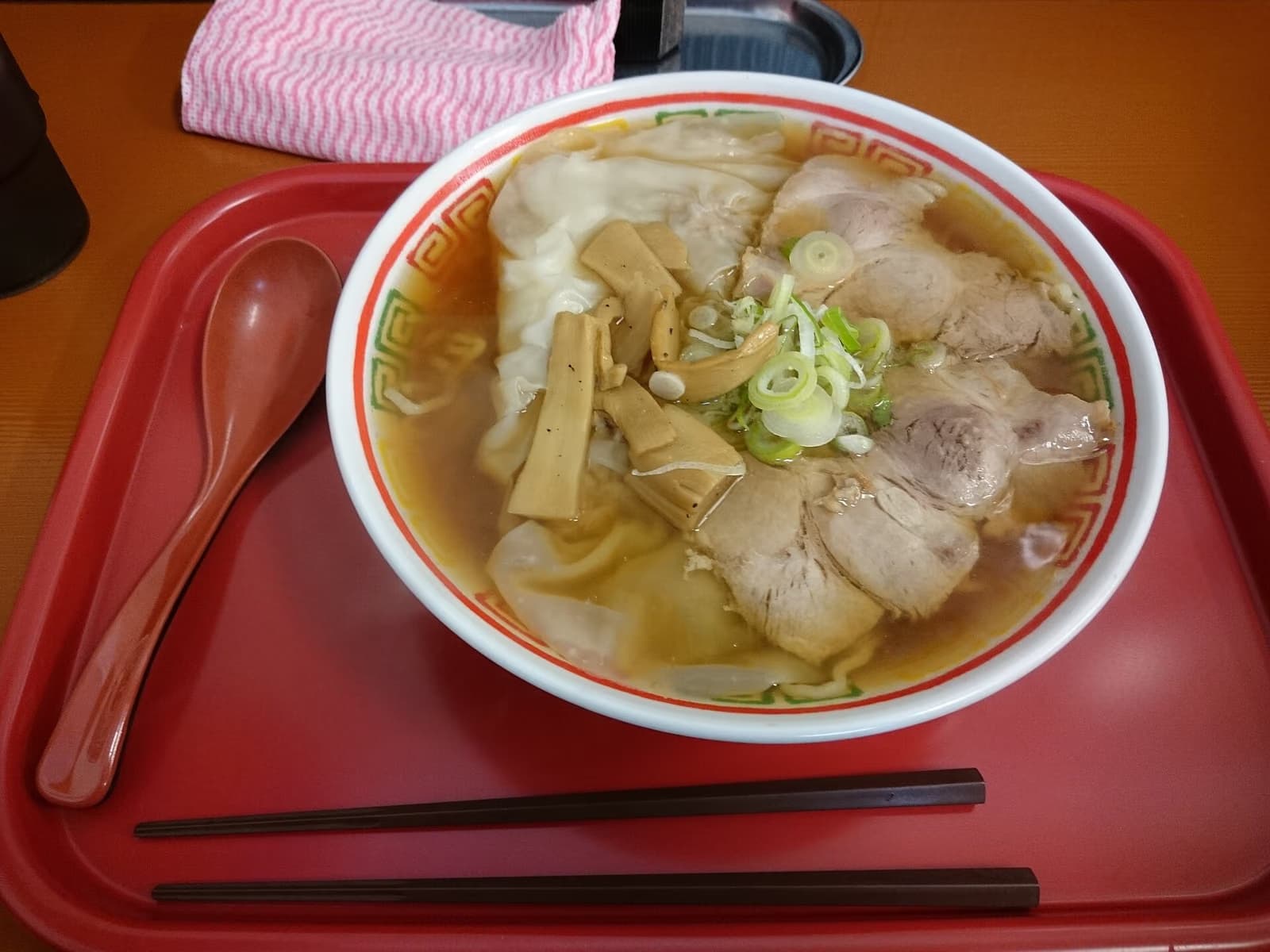
Thin curly noodles in a clear soy-sauce broth built on dried sardines (niboshi) — a light ramen style reported from Sakata.
- 20 min
- Prep
- 240 min
- Cook
- 4
- Servings
- Medium
- Difficulty
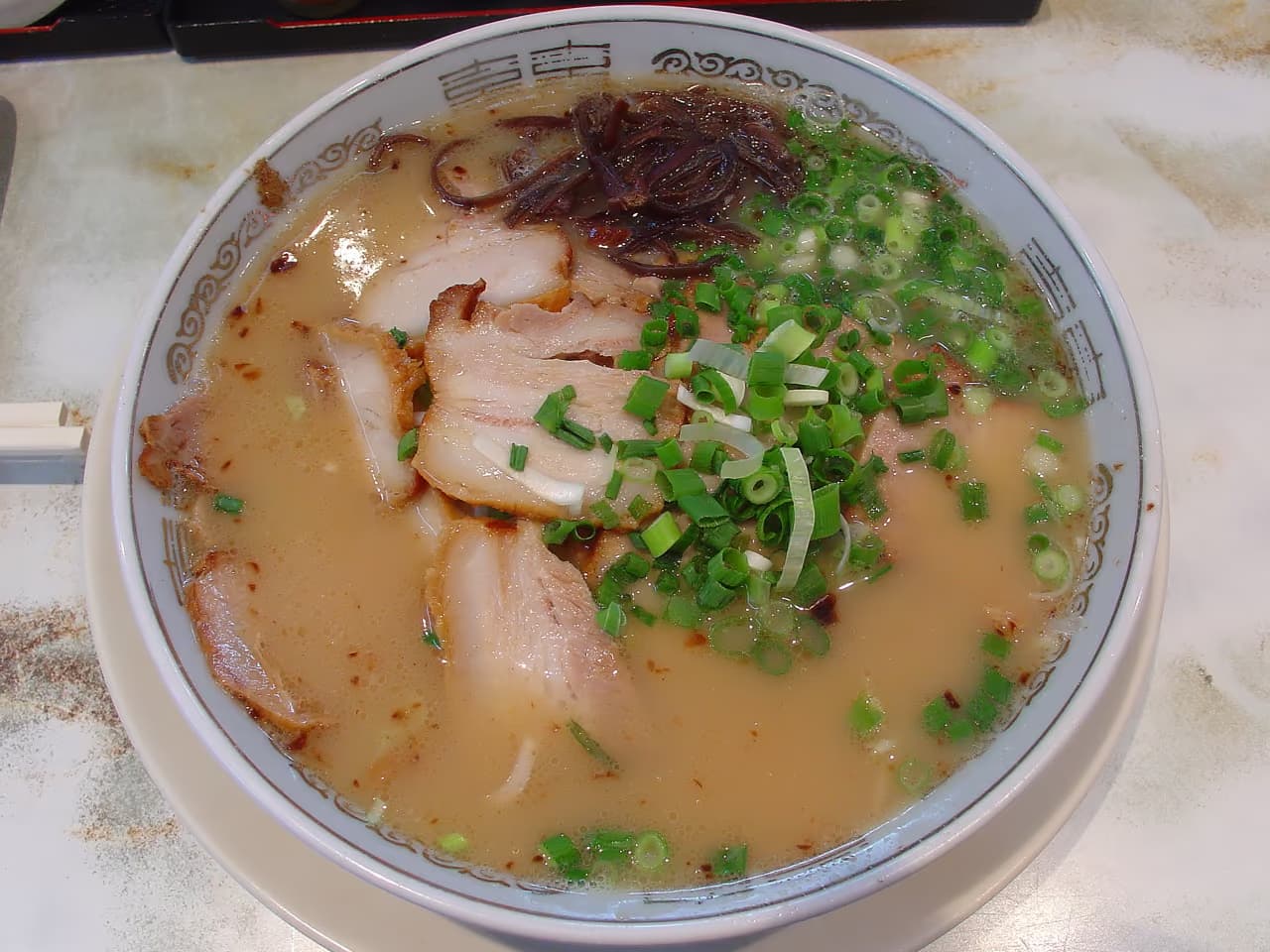
Sakata ramen is a clear, soy-sauce-seasoned ramen built on a broth made primarily from niboshi, small dried sardines simmered to draw out their savor, sometimes combined with pork or chicken bones for body. The result is lighter and more transparent than the milky pork-bone broths common elsewhere, poured over thin, curly noodles.
It is reported from Sakata, a port city in Yamagata Prefecture with long-standing access to dried fish as a seasoning base, and it is associated with the many small ramen shops that line the city's older streets. It is generally described as a comforting, everyday bowl rather than a showpiece dish.
To prepare it, niboshi are simmered gently, never at a rolling boil, so the broth stays clear rather than clouding, and are often combined with a lighter pork or chicken stock for depth. The combined broth is seasoned with a soy-based tare, thin curly noodles are boiled briefly and drained, and the bowl is topped simply with chashu pork, menma bamboo shoots, a slice of narutomaki fish cake and scallion.
What sets this version apart within the wider ramen family is the niboshi backbone: it gives the broth a savory, slightly briny depth without the richness of a pork-bone broth, and the noodles are kept thin so they take on the broth quickly rather than needing a thick sauce to carry flavor. Toppings stay modest, letting the broth remain the center of the bowl.
Preparation
Simmer the pork or chicken bones gently in the water for 3 to 4 hours.
Add the niboshi and simmer gently for another 30 minutes, without letting it boil hard.
Strain the broth and season it with the soy sauce tare.
Boil the thin curly noodles briefly and drain well.
Ladle the hot broth over the noodles in each bowl.
Top with chashu, menma, narutomaki and scallion.