suimono — Japan
Japan
0
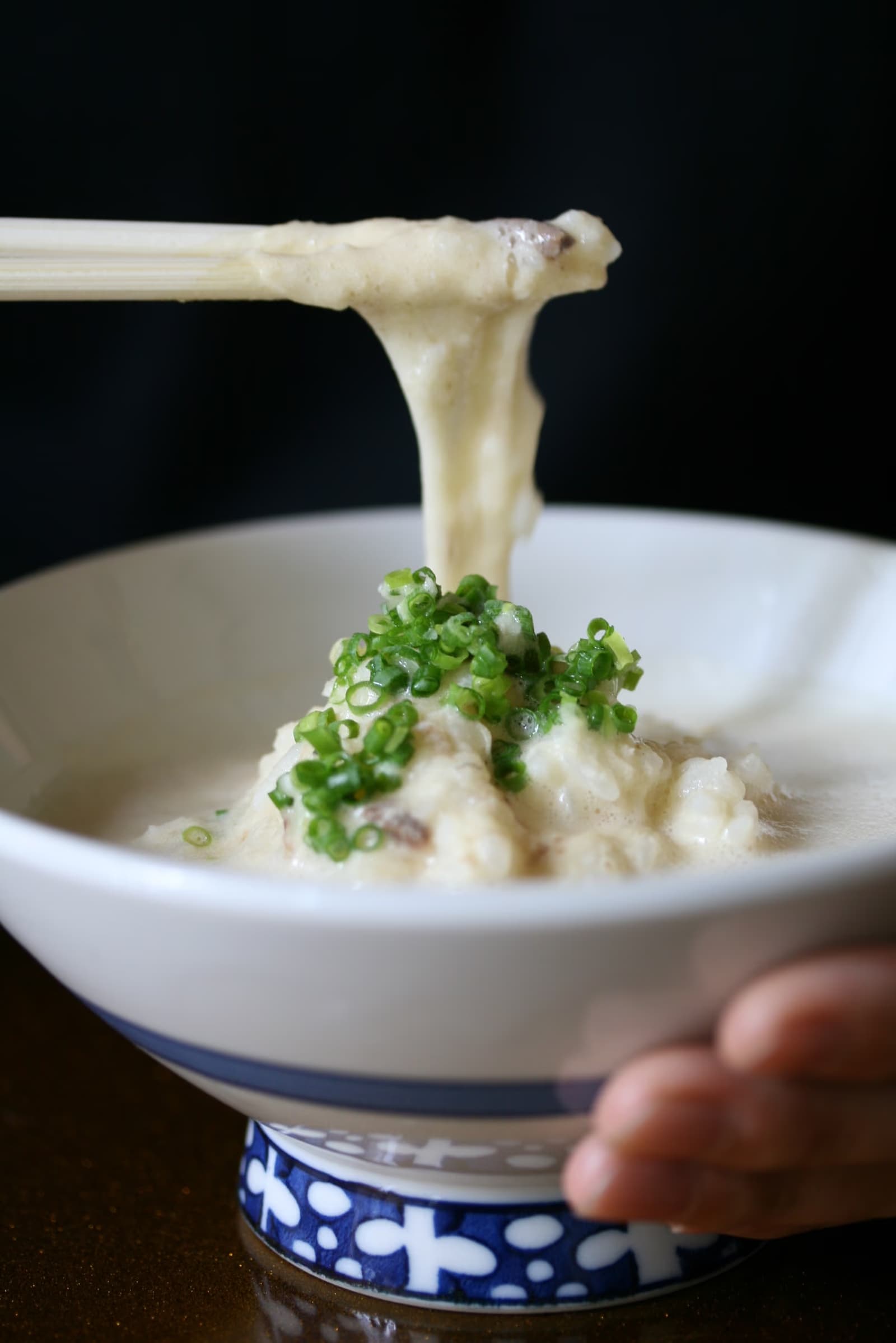
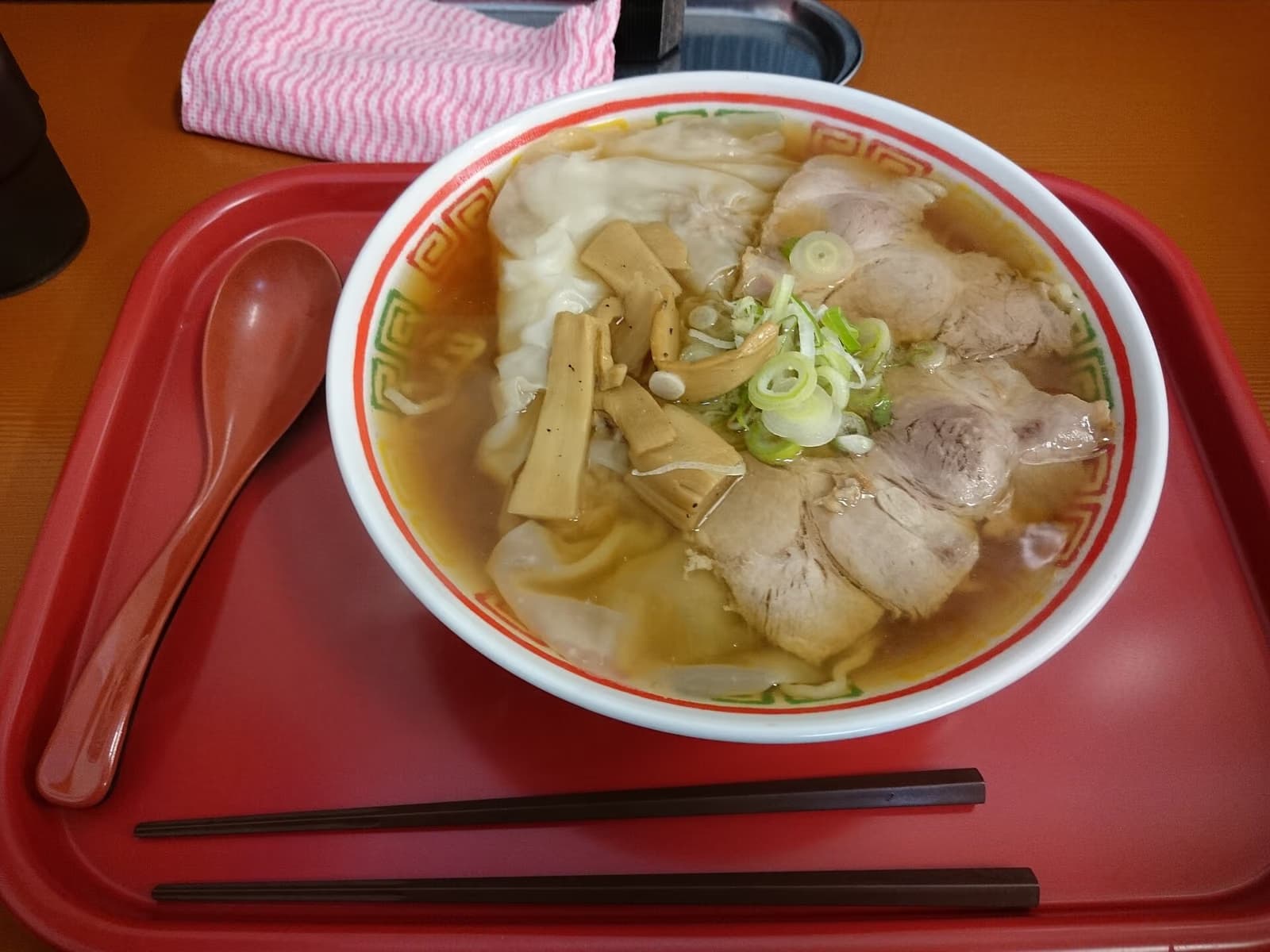
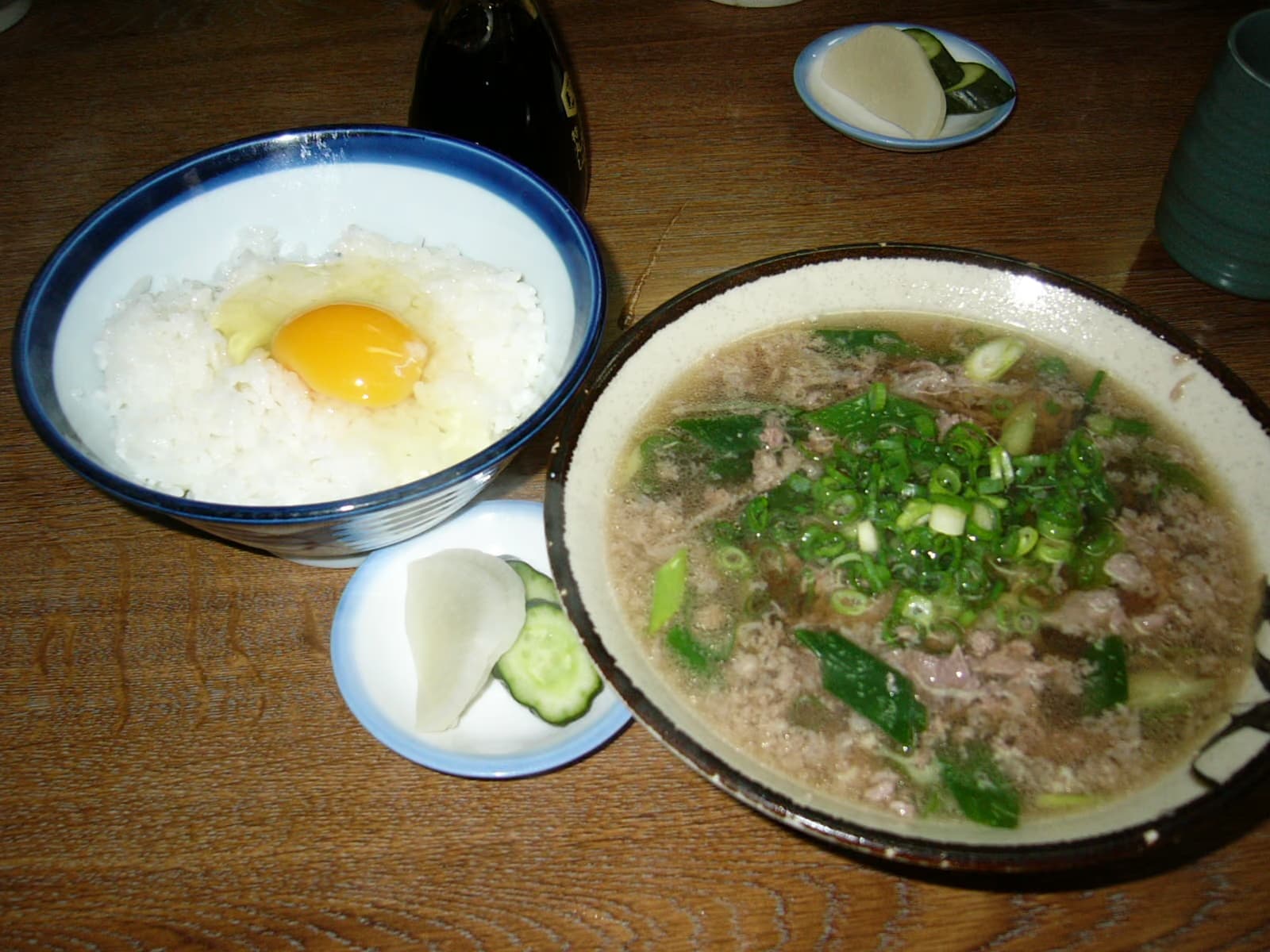
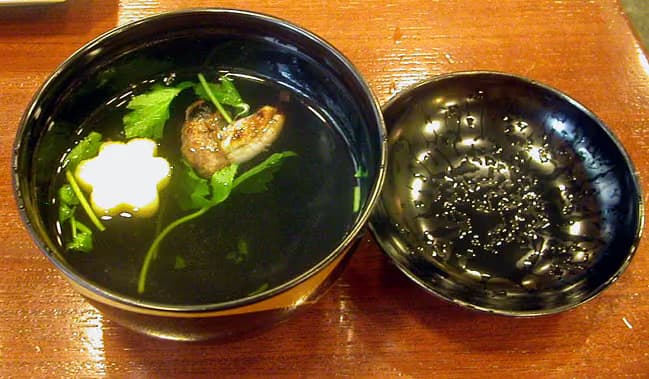
Suimono (吸い物, 吸物, 吸いもの or すいもの) is a Japanese term that can be translated as 'something eaten in the form of broth'. It is a culinary technique, which, along with shirumono (汁物), covers all soups in Japan.
Traditionally, shirumono accompany rice/meals (gohan) while suimono accompanies sake. Generally, suimono are thus composed of seafood and fish. However, the boundary between the two is much less strict today. Furthermore, they are distinguished by their color since the broth of suimono is almost transparent while that of shirumono is more cloudy. This is why miso soup is more associated with shirumono.
You can find, among others:
Miso soup, soup made with miso dissolved in dashi, generally with a few solid ingredients;
Tonjiru or butajiru, similar to miso soup but with pork;
Dangojiru, soup with dumplings, seaweed, tofu, lotus roots or any other vegetable;
Sumashijiru or osumashi, clear soup based on dashi, seafood or chicken;
Zoni, soup often eaten on the first days of the year.
---
Entry compiled automatically from [Wikidata](https://www.wikidata.org/wiki/Q5996575) and Wikipedia. It will be replaced as soon as a contributor submits a cooked recipe.
Where this version sits
A single, final coordinate: Japan. Another version of the same dish, elsewhere, gets its own point.
Photo: No machine-readable author provided. 小太刀~commonswiki assumed (based on copyright claims). — CC BY-SA 3.0